Is a Kigurumi Seller Legit?
Most Kigurumi Masks are commissioned goods, a seller advertising a large catalog of ready-made masks on western marketplaces is point blank one of the single most common red flags.
That said, checking out a maker's socials and verifying if a storefront is actually theirs usually isn't too difficult a task. It's a bit more complicated for used masks, but we've got some tips for that too.
Common warning signs
- Photos are straight up copied from maker social media accounts.
- Most makers tend to be consistent on how they present made masks, if you see a mix of backdrops and photography styles it's very well likely a mix of stolen photos.
- The seller cannot provide a current photo or video of the exact mask, and just relies on stock imagery.
- Watermarks that when googled, dont return any maker socials. This can be a sign someone replaced a maker's watermark with their own.
- Listings of specific characters but with vague promises that your actual order will be made in 30-60 days.
- Used masks that are incredibly vague on details, no maker info, no mask size, no condition info, no pictures of the current condition.
- A price that's "too good to be true."
- The seller pressures you to use a payment method without buyer protection.
- The seller's rating on the marketplace consists basically entirely of unrelated products, or is non-existent entirely.
What actually happens with these marketplace scams?
Some won't ship at all, some will play delay games, or other nonsense where it gets "lost in shipping". Many will actually send you "a mask" but its not exactly what you expected. If you do get something, it'll likely be a rushed mask made by the absolute cheapest possible maker they could source something from, vaguely inspired off the mask you thought you were getting.
Stolen portfolio photos
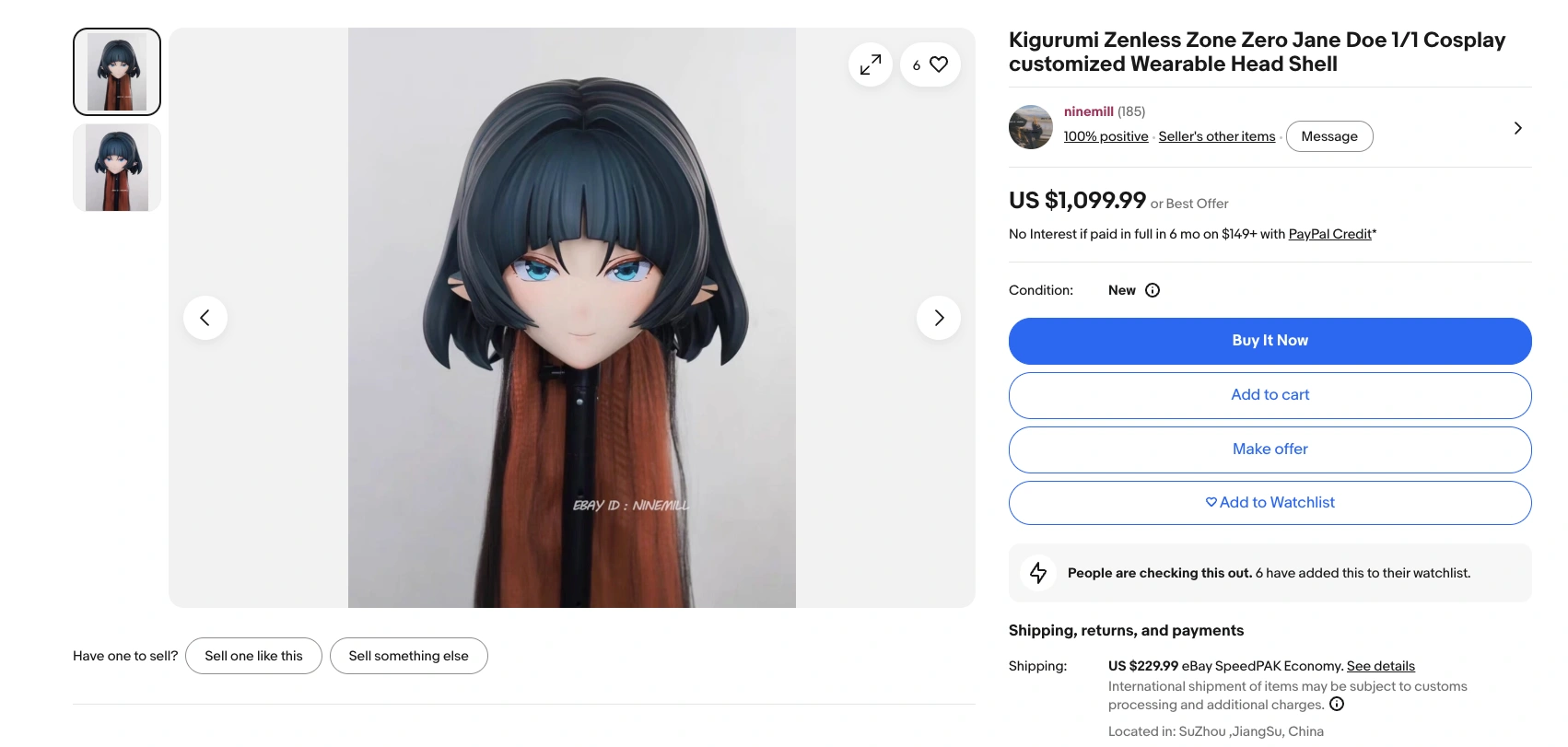
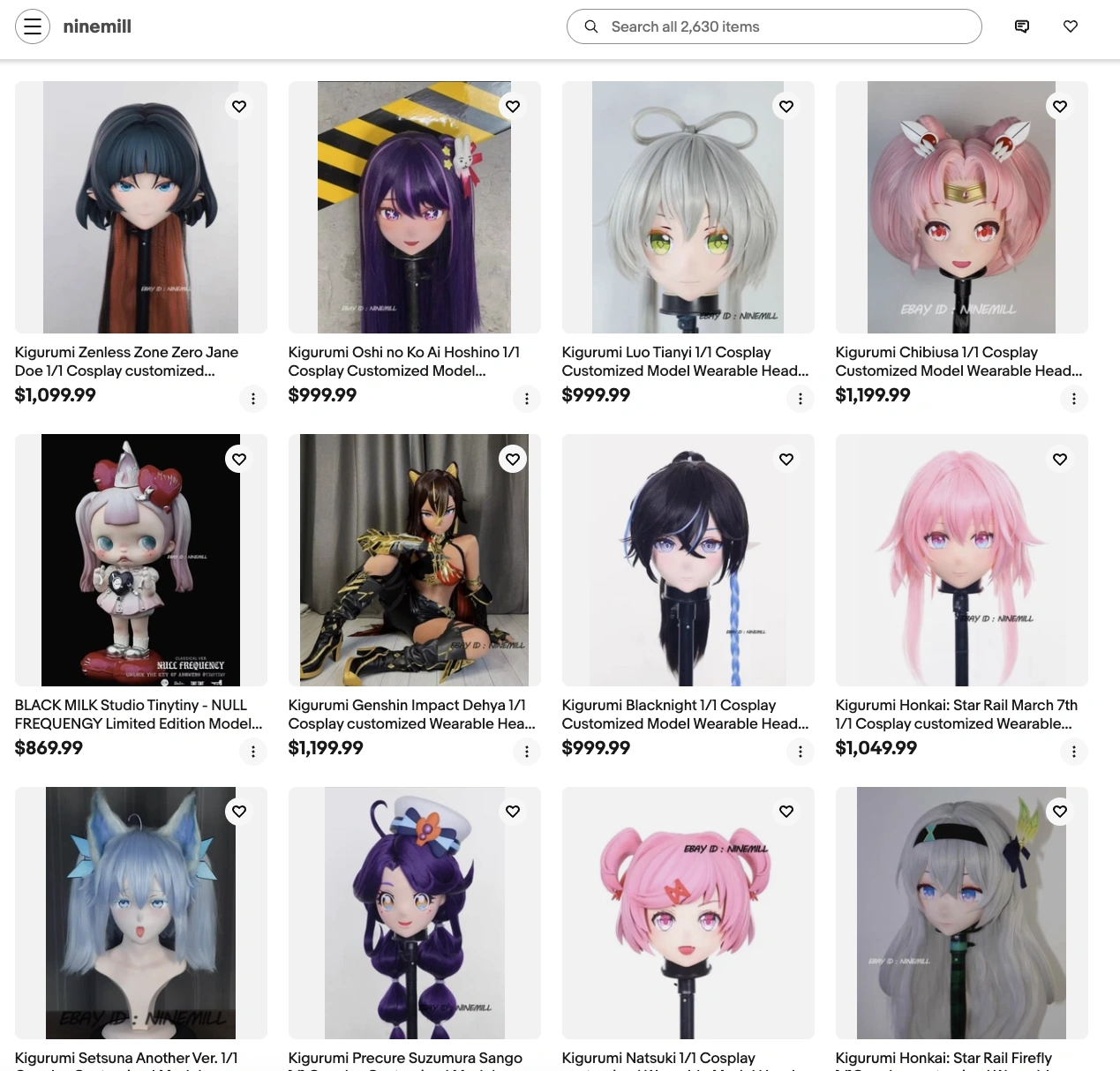
Many different masks from many different makers, inconsistency is a major red flag
Reverse-image-search several listing photos. Look for the earliest post, maker watermark, and performer account. A legitimate reseller or secondhand seller should be able to explain where the mask came from and prove that they possess it.
Some makers display previous commissions as portfolio examples and may accept the same character again. That is different from promising that a buyer will receive the exact mask shown. Ask what will be newly made, which details can vary, and whether the image is an example rather than inventory.
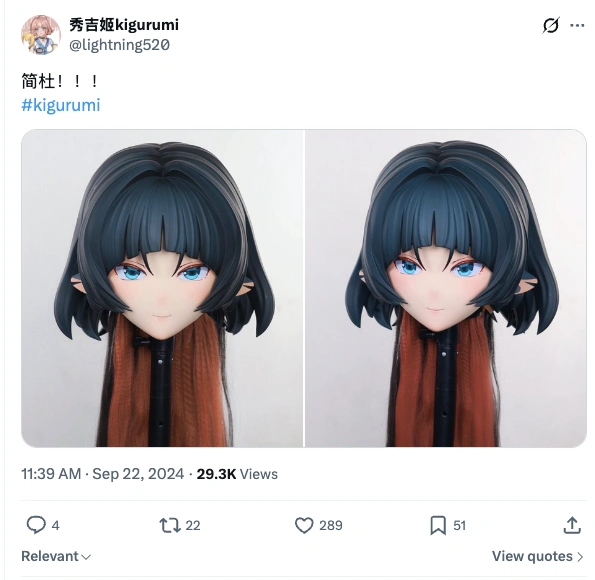
Reverse-image search can reveal the maker or performer who originally posted a photo
Verify a maker
Before commissioning:
- Follow links from the maker's established socials or website instead of a sponsored search result.
- Compare work across multiple dates for consistent style and process.
- Search or ask around for any kigs who have masks from that maker that they enjoy using.
- Ask for a written quote identifying the character, options, mask size, price, payment schedule, production window, and shipping estimate.
- Confirm how progress approvals and revisions work. Makers should give you updates and unless you completely change your mind on major details, should be able to accommodate revisions during the making process.
- Use a payment method with suitable buyer protection and make note of its claim deadline.
Language barriers and small accounts are not inherently suspicious. Focus on verifiable work, clear terms, consistent identity, and behavior.
Marketplace listings
Etsy, eBay, Amazon and AliExpress are where most of these scams are found. Marketplace feedback may describe unrelated products and does not prove that a seller can deliver the pictured Kigurumi Mask. Used masks do pop up on eBay, but typically social media postings from reputable kigs selling masks is far more reliable than a random eBay listing.
Due to the amount of kigurumi in China, Goofish is the most likely spot to actually find a used mask, however much akin to many of the red flags here, they similarly apply there. And you will likely need an agent to help you purchase and ship it internationally.